I vividly remember leading professional development for my fellow teachers at Wheelock Elementary School just before Thanksgiving in 1998. We got special permission from Karl Mahan at Lubbock Christian University to use their computer lab for our two-day workshop. These were the days before computers were in most classrooms. The vast majority of computers in K-12 classrooms did NOT have an internet connection yet. No one had a smartphone. In fact, very few people even had email accounts, including most of our teachers at Wheelock. Required teacher professional development the Monday or Tuesday before Thanksgiving break can be pretty painful for everyone, but I will never forget the excitement of my colleagues getting their first email account set up during those workshop days. I’ll never forget the excitement of my colleagues who were able to make electronic contact with their children, relatives, and friends for the first time via email! It was exciting, it was fun, and it was good.
Fast forward now to 2026, and I’m convinced email as well as smartphones have both made our lives better and made them worse. In his 15-minute video, “It’s Not the 1980s Men Miss. It’s This,” Jeff Knuppel makes six important points about things that were comparatively beneficial and good about the 1980s than today in the mid-2020s. It’s a good video, and I encourage you to watch the entire thing directly.
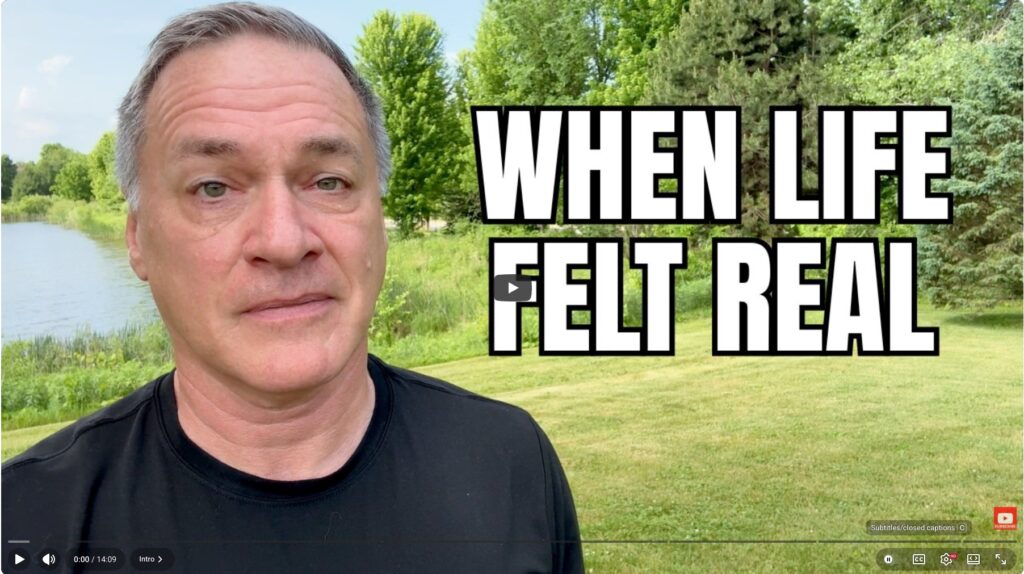
These six good things from the 1980s that Jeff explains we now miss four decades later are:
- The freedom to be unreachable
- When the world stayed out of your head
- Before everything became “content” (for social sharing)
- A world your hands could fix (we have less authority over our devices and our world)
- When you didn’t have to question everything (increased cognitive load)
- When scarcity made things matter (with music, movies, photos you took, and other things)
Some of what Jeff discusses in this video involves “cognitive load.” The greater access that we have to information, ideas, and each other has a real cost. I think we live in a society and culture today in the USA that seems to assume more choices and more information automatically correspond to a higher quality of life and better life experiences. However, as Jeff notes, this isn’t always true.
These first-world problems may seem paltry compared to the challenges our ancestors faced: shorter life expectancy, disease, and in many cases, difficulty obtaining enough food to have a healthy metabolism. These were all real challenges we should not minimize or forget.
I would add “shared cultural literacy” to Jeff’s list. When information sources were much more scarce, the likelihood that your friend had watched the same thing you had on Sunday evening on television was much greater. I’m glad to have more media choices today, but I want to highlight that this brings its own cognitive demands, and it also brings tradeoffs, like a lack of “cultural literacy” across our communities, nation, and world.
I’m sharing this video and these ideas on “Heal Our Culture” because I agree with Jeff Knuppel that we don’t need to just assume the status quo of everything in our lives is inevitable and impossible to change. I’m reminded of the book “Deep Work: Rules for Focused Success in a Distracted World” by Cal Newport, who makes a strong case for why deep thinking requires a disconnection from technology and an intentional immersion in one’s own thoughts, as well as more old-school communication technologies like paper and pencil, or paper books.
Of course, I’m sure this reflects my own age, but these ideas resonate with me. I think healing our culture means many things, but it definitely should include the idea that we can reclaim our minds, and the ideas and information which we both choose and allow to occupy our minds.
These are both deep and important thoughts. I’d value your feedback.
Thanks to my friend and colleague, David Woodley, for sharing this video with me!
Edited with AI assistance (Claude) for grammar and clarity. Cross-posted to SubStack.
Leave a Reply